
Hi there!
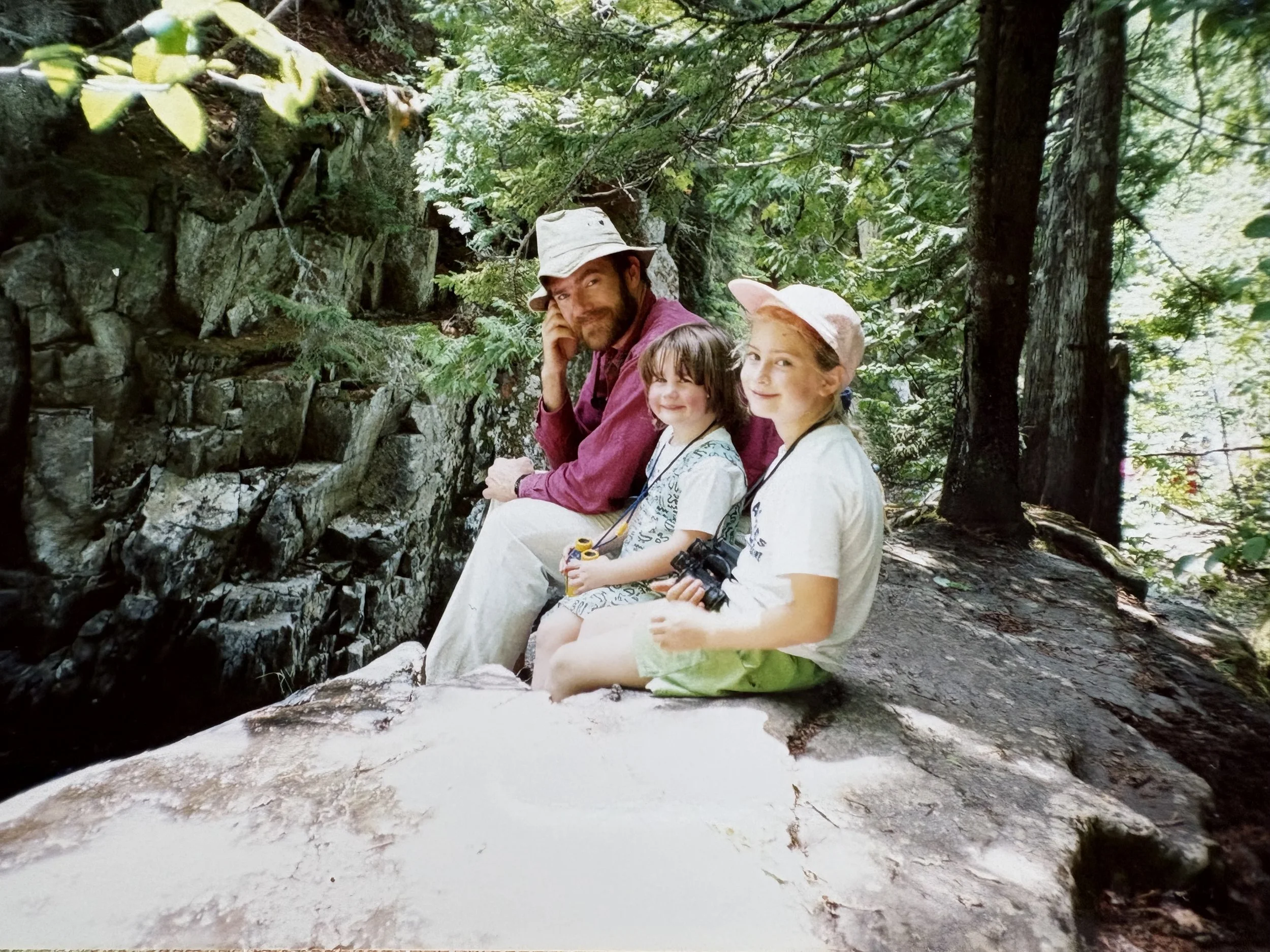
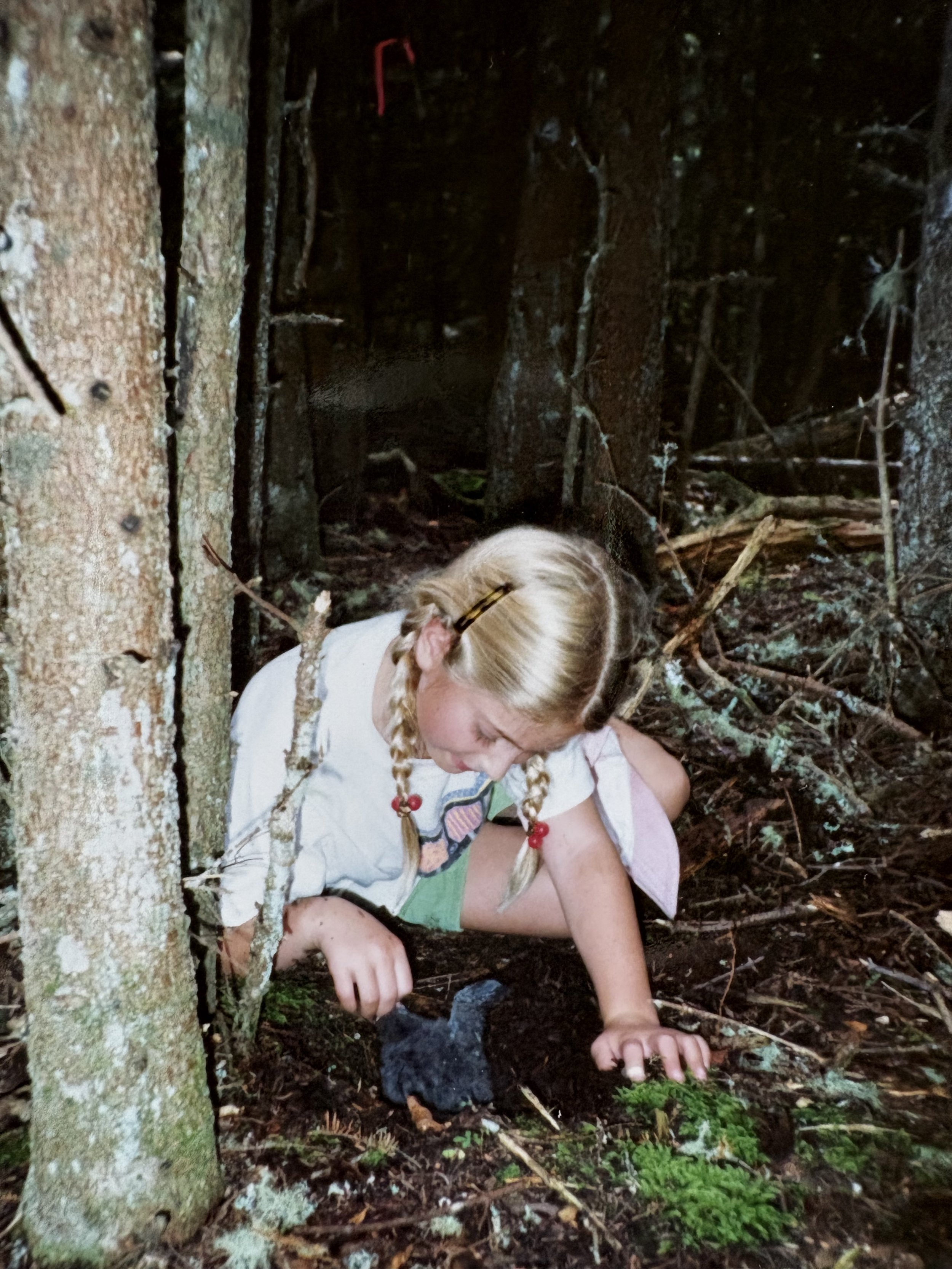
I’ve spent the past 15+ years learning from local ecologists, knowledge keepers, producers, harvesters, processors, cooks, policymakers and visionaries about what it means to be human and live thoughtfully in place.
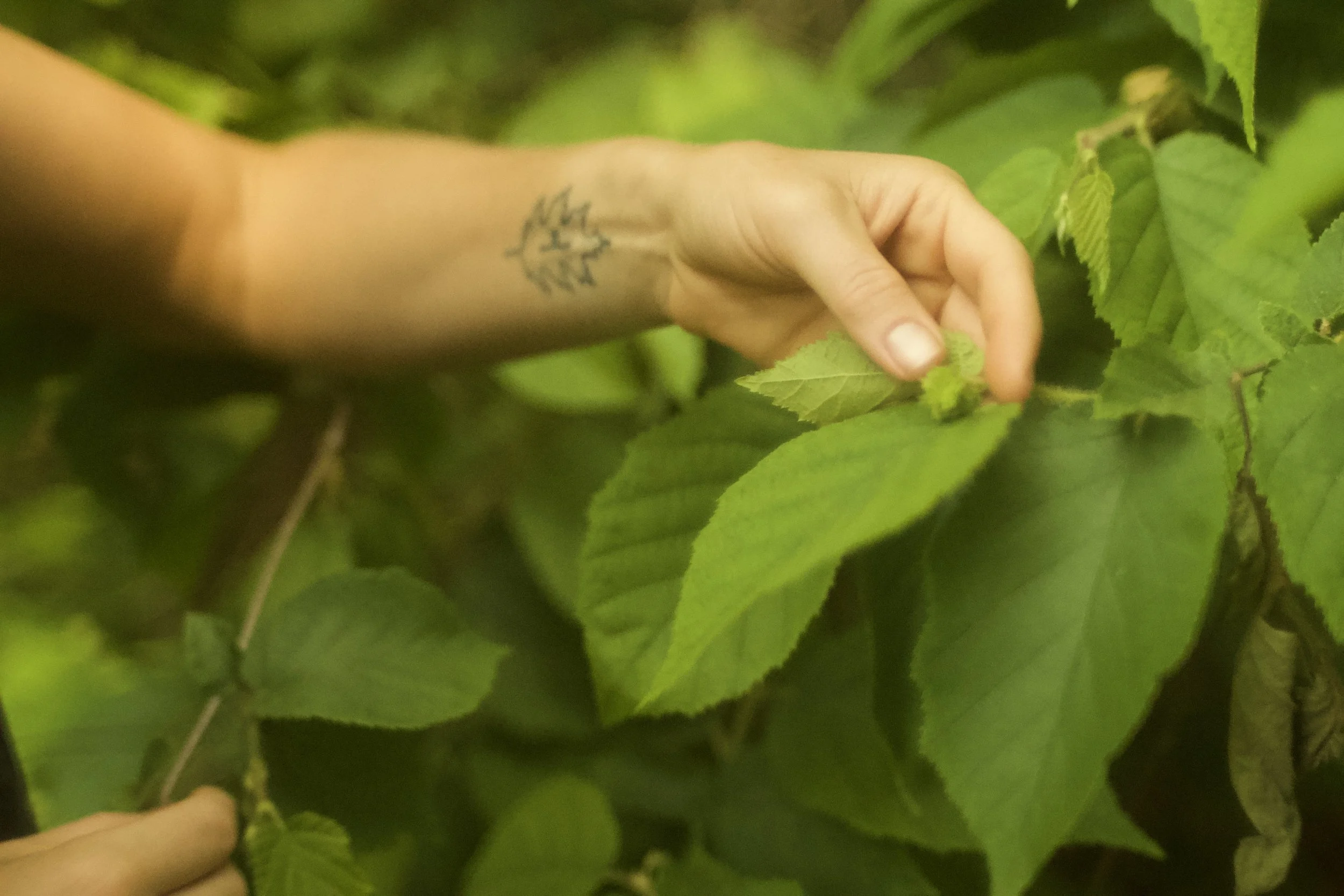
Over the course of that inquiry, I’ve come to believe that the single most effective thing we humans can do to support our home ecosystems is to get back into relationship with the keystone species around us. (What the heck is a keystone species? I’ve got you.)
I explore this work at home in Wellfleet, Massachusetts, and in Maine where I grew up—primarily through storytelling, local food, basket weaving, and teaching.
I’m also co-director of the new non-profit CommonsKeepers and part of the team behind my husband’s latest restaurant: The Wicked Oyster in Wellfleet.
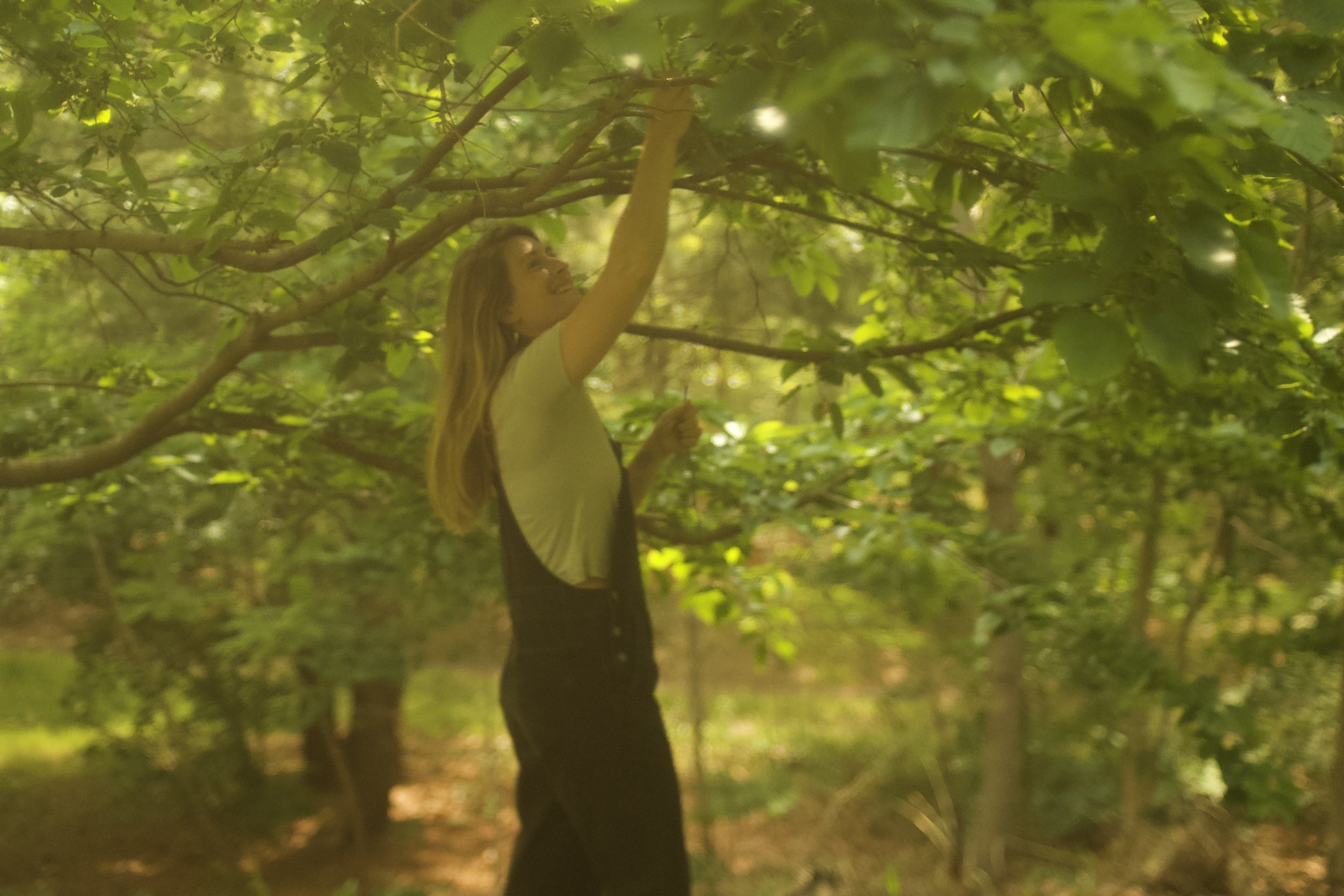
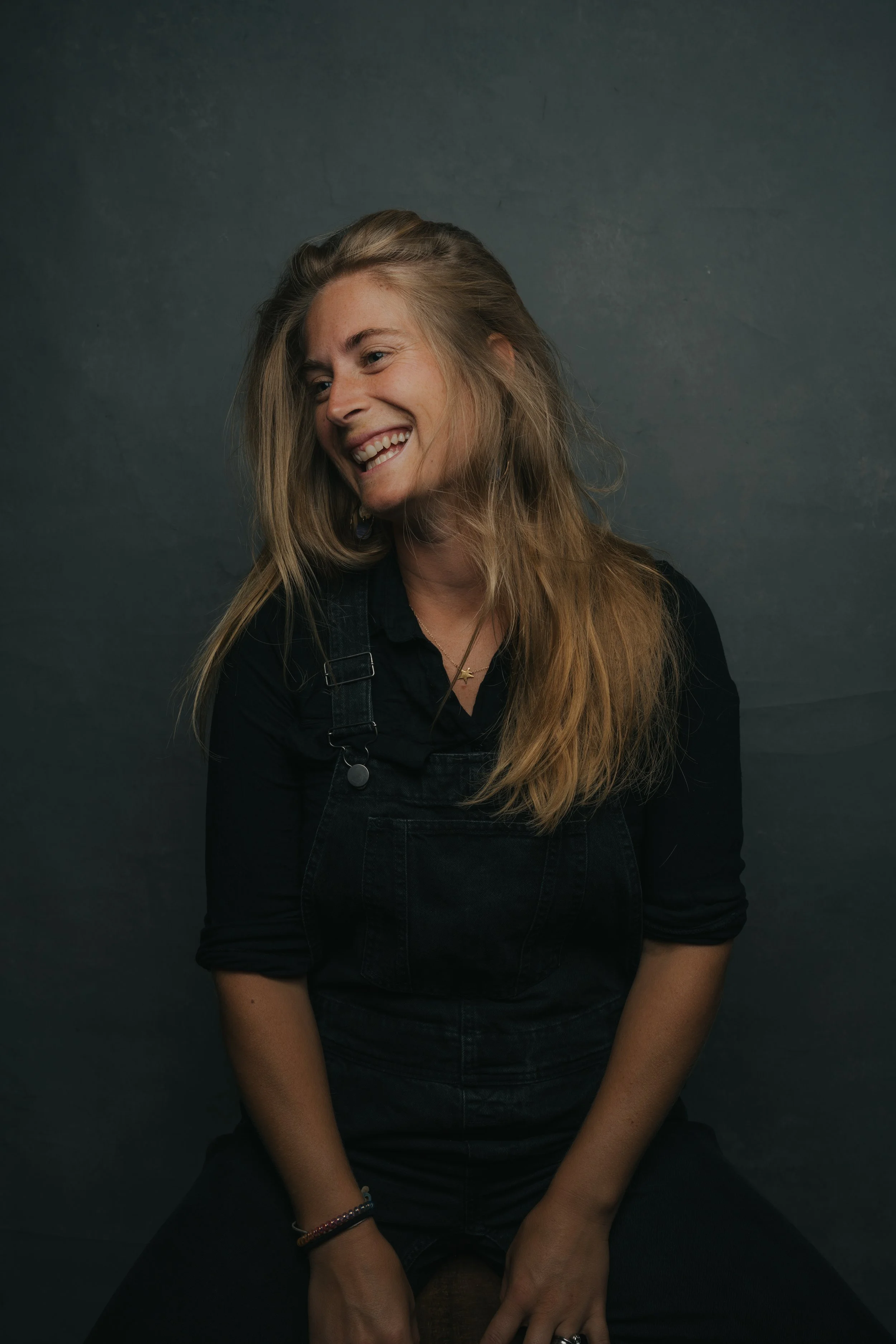
Photo Credit: Joe Navas, 2021