

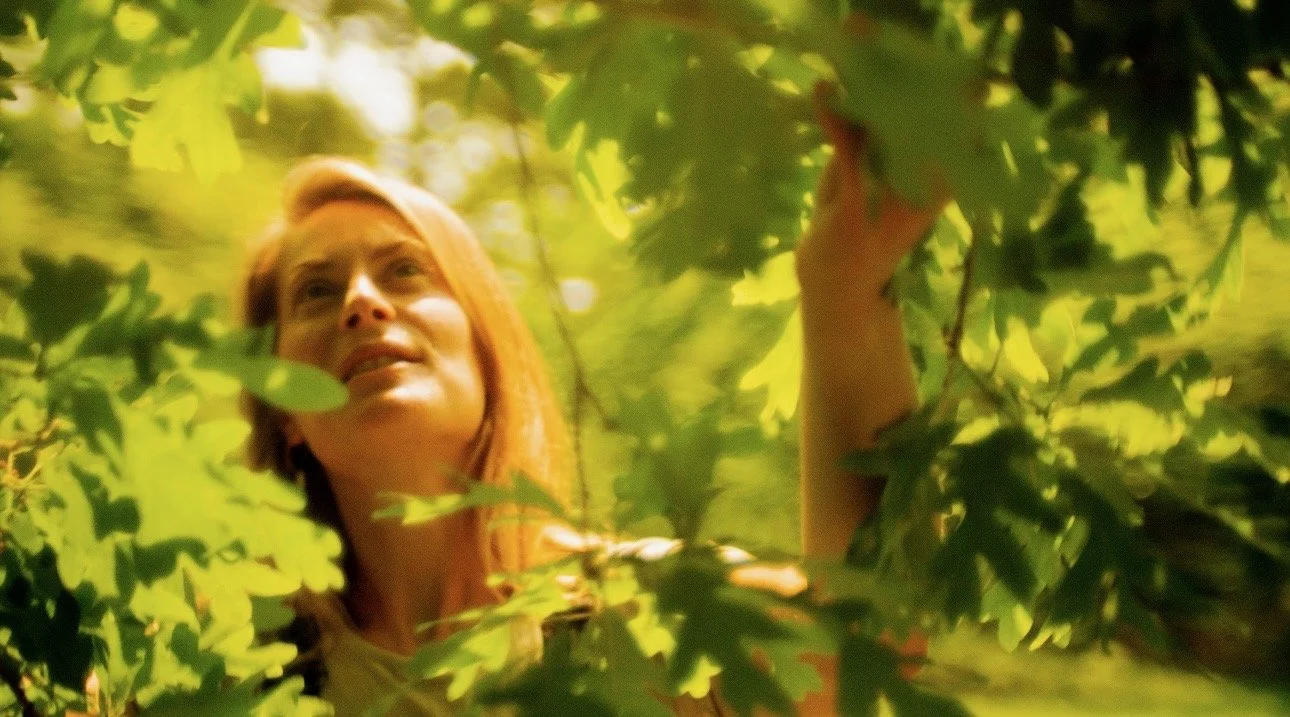
How to harvest and process acorns — a video!
Many of you have reached out to say that you’re collecting acorns—and to ask how to gather and harvest. My friend Jason Goodman helped me put together this video to give you some answers. Thank you, Jason!
Acorns and the processes we use to make them delicious are different for each species, so let’s keep the conversation going with Q & A in the comments.







A lobsterman from Wellfleet talks about changes in the sea
For decades in the Gulf of Maine, Damien Parkington has seen lobsters follow the same migration pattern in the spring and early summer, coming in from deeper waters to find a more shallow spot to release their eggs.
"The first migration of lobsters is generally egg-bearing females that are searching habitat to go lay their eggs," he explained.

Mashpee Wampanoag youth work to protect a beloved fish
Seventeen-year-old Isaiah Peters is worried about local herring.
"I went to get some herring, I got like around like 15 of them and I was gutting them and then I realized halfway through that most of them, their roe, their eggs were just mis-colored and polluted."
The roe was a pasty grayish pink color—not the vibrant range of whites, oranges, or reds that Peters had seen in healthy fish.

Why Expanding Access to Local Food is More Important than Ever
When people talk about reasons to buy local fruits and veggies, they often bring up flavor. A tomato from the grocery store doesn’t taste anything like a tomato fresh from the garden. But Francie Randolph of Sustainable Cape says there’s a big health difference, too.

Book Coming July 2025
The day Elspeth Hay learned we can eat acorns, stories she’d believed her whole life began to unravel. We’re thinking about agriculture all wrong, she realized. Feed Us with Trees is her hopeful manifesto about a new and ancient food system centered on our keystone perennial nut trees: oaks, chestnuts, and hazelnuts.